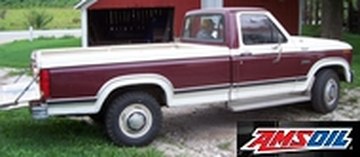
Maintaining Lubrication Integrity for the 1982 Ford Trucks F250 5.8L
Proper engine care for a vehicle of this era requires a focus on consistent monitoring and proactive inspection. For owners of a 1982 Ford Trucks F250 equipped with the 5.8L engine, maintaining the lubrication system is a fundamental aspect of long-term mechanical health. Because older engines operate under different thermal and mechanical stresses than modern counterparts, understanding how to monitor fluid condition and component integrity is essential for preventing unexpected issues.
Monitoring Fluid Condition and Potential Leaks
One of the most effective ways to assess the health of an engine is through regular visual inspections. For a 1982 Ford Trucks F250, this involves looking for any signs of fluid seepage or active leaks around the engine block and associated components. While some level of minor seepage can occur as gaskets and seals age, significant or fresh wetness should be investigated promptly.
When performing these checks, consider the following:
- Surface Seepage: Inspecting various sealing surfaces for signs of oil residue that may have accumulated over time.
- Puddle Identification: Checking the ground beneath the vehicle after it has been parked to identify any slow-forming drips.
- Fluid Appearance: Periodically checking the color and consistency of the engine oil on the dipstick. If the lubricant appears excessively dark, gritty, or contains visible contaminants, it may indicate that a service interval is necessary or that there is an underlying issue with the filtration or ventilation systems.
It is important to remember that many different factors can cause changes in fluid appearance or the presence of leaks. A single symptom does not provide a definitive diagnosis; rather, these observations serve as indicators that more detailed inspection or professional diagnostic work may be required.
Managing Aging Components and Systems
As vehicles age, certain materials naturally undergo changes in their physical properties. For an engine from the early 1980s, maintaining a baseline of mechanical awareness is helpful for prioritizing repairs. Rather than assuming parts will fail based solely on the age of the truck, maintenance should be driven by the actual condition of the components.
If equipped, accessible drive belts should be examined for signs of deterioration such as cracking, glazing, or fraying. Similarly, if present, engine hoses should be checked for excessive softness, hardening, or visible swelling. These elements are critical to the overall operation of the vehicle and can impact how the engine manages heat and power delivery.
Electrical connections and wiring harnesses also warrant attention. Over decades, insulation can become brittle or connectors can develop corrosion, which may lead to inconsistent performance. Ensuring that electrical paths remain clean and secure is a practical step in preventing various operational irregularities.
Establishing a Maintenance Baseline
For many owners of a 1982 Ford Trucks F250, the vehicle's full service history might not be immediately available. In these instances, establishing a maintenance baseline is a highly effective strategy. This involves performing a comprehensive inspection of all fluids and major mechanical components to determine their current state.
By documenting the condition of the oil, the integrity of the belts, and the state of the cooling system at a specific point in time, an owner can create a reference for future comparisons. This makes it much easier to notice subtle changes—such as a slight increase in lubricant consumption or a new, faint seepage—that might otherwise go unnoticed. Keeping detailed records of all completed services, including the types of lubricants used and any parts replaced, provides a clear roadmap for the vehicle's ongoing care.
Observing Operational Indicators
Beyond visual inspections, the way the engine behaves during operation can provide valuable information. Owners should remain attentive to any changes in how the 5.8L engine sounds or feels. While unusual mechanical noises can stem from a wide variety of sources, they are always worth investigating.
Other indicators that warrant closer attention include:
- Changes in Exhaust Characteristics: Any noticeable change in exhaust output should be monitored.
- Temperature Fluctuations: If the engine temperature behaves differently than it has historically, it may indicate an issue with the cooling system or general engine load management.
- Warning Indicators: Any dashboard lights or indicators related to engine operation should be addressed immediately to prevent further complications.
Because symptoms can have multiple, overlapping causes, these observations should be treated as prompts for investigation rather than definitive proof of a specific component failure.
Prioritizing Service Tasks
Effective maintenance is often about deciding which tasks require immediate attention and which can be managed through routine monitoring. For an older truck like the F250, it is most efficient to address active concerns first—such as a visible leak or a noticeable change in fluid quality—before moving on to general preventive measures.
Distinguishing between necessary repairs and unnecessary parts replacement is key to responsible ownership. A component that shows no signs of wear or degradation does not necessarily require replacement simply because the vehicle is several decades old. Instead, focus on condition-based maintenance: if a part is functioning correctly and shows no signs of impending failure during inspections, it can often continue to serve its purpose.
Practical Advice for Buying Engine Oil for your 1982 Ford Trucks F250 5.8L
When it is time to replenish the lubrication in your engine, the most important step is to ensure the product matches the specific requirements of your application. Rather than relying on general assumptions about older engines or modern oil trends, you should always refer to the technical data provided for your specific vehicle.
To make an informed purchase, follow these guidelines:
- Match Application Data: Use the vehicle-specific oil viscosity and application information that is displayed on this webpage. This ensures the lubricant's flow characteristics are appropriate for your engine.
- Verify Product Labels: Before completing a purchase, check the product packaging to confirm it meets the necessary quality standards and certifications required for your service.
- Consider Formulation Options: Depending on your specific needs and the current condition of your engine, you may choose between conventional, synthetic blend, or full synthetic formulations. Some high-mileage oil formulations also contain additives intended for use in aging engines, including seal-conditioning additives.
By prioritizing the application-specific information provided here over general automotive knowledge, you can ensure that your 1982 Ford Trucks F250 5.8L receives the correct lubrication for continued operation.